
Key takeaways
- Compare the best lens cleaning kits for DSLR and mirrorless cameras, from all-in-one sets to pocket lens pens, and keep every lens spotless and safe.
A single fingerprint on a front element can soften contrast and add flare to every frame, and a dry shirt sleeve is the wrong tool for the job. A lens cleaning kit puts the right tools in one place: a blower or brush to lift grit, a fluid safe for coated glass, and a clean cloth to carry dirt away. The five kits below cover the common ways photographers clean lenses, from a full seven-piece set to a pen that lives in a jacket pocket.
This guide covers kits for lenses and filters, not air blowers on their own. Sensor swabs appear in only two of the five kits. Sensor cleaning is delicate work, so follow the camera maker’s guidance before a swab touches a sensor, or leave that job to a service center.
As an Amazon Associate, we earn from qualifying purchases.
Quick Answer
For most photographers, the Altura Photo kit is the best choice, with a blower, pen, brush, fluid, cloths, and tissues in a hard case. The LensPen NLP-1 is the best pocket tool for fingerprint removal with no liquid. Full-frame owners who want sensor swabs should look at the UES 21-in-1, while the ZEISS two-pack suits a home kit and the Nikon three-pen set covers lens, filter, and viewfinder.
Our Picks
Altura Photo Camera Lens Cleaning Kit — Best All-Round Pick
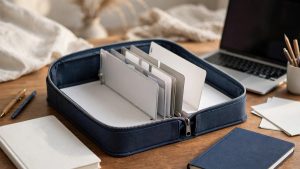
The Altura Photo kit is the most complete lens-only set in this guide, and it is the one to buy when a single box has to cover everything. It packs seven pieces into a hard case: an alcohol- and ammonia-free lens cleaner spray, an air blower, a brush, a lens pen, three MagicFiber microfiber cloths, and 50 sheets of lens tissue. Nothing in the box is made for sensor cleaning.
Blow or brush loose dust off the glass, mist a small amount of fluid onto a cloth rather than onto the lens, and wipe in a slow circle from the center outward. The three cloths mean one can stay in the bag, one at home, and one in the wash, while the single-use tissues are handy when a cloth has picked up grit. It has no sensor swabs, and the small spray bottle runs out before the cloths wear out.
Key Specs
| Spec | Detail |
|---|---|
| Pieces | 7 |
| Spray | Alcohol- and ammonia-free, 2 oz bottle |
| Cloths | 3 MagicFiber microfiber cloths |
| Lens tissues | 50 sheets |
| Lens pen | Included |
| Air blower | Included |
| Sensor swabs | None |
| Case | Hard case |
UES 21-in-1 Camera Cleaning Kit, Full-Frame — Best for Sensor Owners
The UES 21-in-1 is the kit for a full-frame shooter who wants lens care and sensor care in the same box. It comes with ten vacuum-sealed 24mm sensor swabs sized for full-frame sensors, a lens and sensor liquid cleaner that is alcohol- and ammonia-free, an air blower, a lens pen, five lens cleaning cloths, lens cleaning paper, and a screen cleaning cloth, all in a hard EVA case.
The swabs are the reason to choose this kit, and also the reason to read the camera manual before using it. Each swab is sealed until use, and the wide 24mm head matches a full-frame sensor. The cleaner is made for lenses and sensors alike, so one bottle serves both jobs. APS-C owners should pick the APS-C version of the same kit instead, since a 24mm swab does not match a smaller sensor.
Key Specs
| Spec | Detail |
|---|---|
| Sensor swabs | 10 x 24mm, full-frame, vacuum-sealed |
| Cleaner | Alcohol- and ammonia-free, for lens and sensor |
| Lens cloths | 5 microfiber cloths |
| Screen cloth | 1 included |
| Lens paper | Included |
| Lens pen | Included |
| Air blower | Included |
| Case | Hard EVA case |
LensPen NLP-1 — Best Pocket Tool
The LensPen NLP-1 is the original lens pen, and it is still the simplest tool in this guide. One end holds a retractable natural brush for dust. The other end holds a 12mm round tip coated in a carbon cleaning compound that lifts fingerprints and grease with no fluid at all. A twist cap recharges the tip, and the whole pen is 11cm long, so it fits a jacket pocket, a sling bag, or a filter pouch.
The appeal is the lack of liquid. Nothing can spill, drip, or dry out in a bag that lives in a car, and there is no bottle to pack for a flight. The maker lists more than 500 uses for one pen, which also works on binoculars, spotting scopes, telescopes, and eyepieces. The trade-off is scope: a pen cannot replace a blower for heavy dust, and it cannot clean a sensor.
Key Specs
| Spec | Detail |
|---|---|
| Cleaning tip | 12mm round carbon tip |
| Brush | Retractable natural brush |
| Length | 11 cm |
| Liquid | None |
| Uses | Maker lists more than 500 |
| Works on | Camera lenses, binoculars, scopes, eyepieces |
| Case | Pocket clip, no case |
ZEISS Lens Cleaning Solution Kit, 8 fl. oz. 2-Pack — Best Home Kit
The ZEISS two-pack is the simplest kit in this guide, and that is exactly its point. It holds two 8 oz bottles of lens spray and two microfiber cloths, nothing more. The formula is ammonia-free and made for coated optics, including anti-reflective coatings, and the same spray works on eyeglasses, binoculars, and screens as well as camera lenses.
This is the kit to keep at home, with one bottle on a desk and one in a drawer as a spare. Two large bottles last far longer than the small spray in a travel kit, and the cloths are full-size rather than pocket-size. What it lacks is just as clear: there is no blower, no brush, and no lens pen, so dust must be blown off another way before wiping. Note that the classic ZEISS belt-pouch kit was reported unavailable on Amazon in early November 2026, so this two-pack is the ZEISS option with a live listing.
Key Specs
| Spec | Detail |
|---|---|
| Bottles | 2 x 8 oz lens spray |
| Cloths | 2 microfiber cloths |
| Formula | Ammonia-free, safe for coated optics |
| Air blower | None |
| Brush | None |
| Lens pen | None |
| Works on | Camera lenses, eyeglasses, binoculars, screens |
Nikon 7072 Lens Pen Cleaning System — Best Three-Pen Set
The Nikon 7072 is a three-pen set, and each pen has its own job. One pen is made for lenses, one for filters, and one for viewfinders, so the tool that touches a flat filter never has to touch a curved front element. Each pen uses a non-liquid cleaning compound on its tip and a retractable brush on the other end, which keeps the whole system free of bottles and fluid.
The three-pen layout suits a photographer who likes a dedicated tool for each surface. The pens are small enough to scatter through a bag: one in a filter pouch, one in a pocket, one with the camera body. The limits match the format: three pens still cannot blow dust off a lens, and none of them is made for sensor cleaning.
Key Specs
| Spec | Detail |
|---|---|
| Pens | 3, for lens, filter, and viewfinder |
| Compound | Non-liquid cleaning compound |
| Brushes | Retractable, one per pen |
| Liquid | None |
| Air blower | None |
| Sensor swabs | None |
| Case | Not stated |
How to Choose
Begin with the job. A photographer who only needs to clear fingerprints from a front element can get by with a pen and a cloth. A photographer who shoots in dust, near the sea, or in changing weather needs a blower and a brush as well, because grit must leave the glass before anything touches it. A full-frame owner who wants to clean a sensor needs swabs in the right width, while an APS-C owner needs the smaller size.
Check the fluid next. Coated glass needs a cleaner that is alcohol- and ammonia-free, and the fluid should go onto the cloth, never straight onto the lens. A large bottle suits a home kit, while a small bottle or a liquid-free pen suits a bag. Cloth count matters more than it looks: a dirty cloth can scratch, so a kit with two or three cloths lets one rest in the wash while another is in use.
Who Should Skip It
A lens cleaning kit is not for every shooter. Someone who only shoots with a phone can keep a single microfiber cloth in a pocket and skip the rest. A photographer who is uneasy about touching a sensor should skip the swab kits entirely and book a service center instead, since a wrong move on a sensor costs far more than a cleaning kit saves.
Owners of lenses with damaged or peeling coatings should get advice from the lens maker before using any fluid or pen. A kit is also a poor buy for a photographer who already owns a blower, a pen, and clean cloths. Buy the missing piece instead of a full box.
FAQ
Can I use eyeglass cleaner on a camera lens?
Only if the formula is ammonia-free and safe for coated optics. Many eyeglass sprays meet that bar, but a cleaner made for camera lenses is the safer choice, since lens coatings are more delicate.
Should I spray cleaner directly on the lens?
No. Spray a small amount onto a clean microfiber cloth, then wipe the glass in a slow circle from the center outward. Fluid sprayed on the lens can seep past the front element and reach the inside of the barrel, where it is hard to remove.
How often should I clean a lens?
Only when it needs it. Blow dust off after every outing, and wipe only when fingerprints, smudges, or spots appear. Cleaning a clean lens adds wear to the coating for no benefit, so a quick look at the glass in good light is a better guide than a schedule.
Are sensor swabs safe to use at home?
They can be, when the swab width matches the sensor and the camera maker’s instructions are followed step by step. A full-frame sensor needs a 24mm swab, while an APS-C sensor needs a 16mm swab. Anyone who is unsure should leave sensor cleaning to a service center.
Final Verdict
For most photographers, the Altura Photo kit is the best all-round choice: a blower, a pen, a brush, fluid, cloths, and tissues in one hard case. The LensPen NLP-1 is the best pocket tool for fingerprint removal with no liquid, and the Nikon three-pen set is the most organized pen option for photographers who want a separate tool for lens, filter, and viewfinder.
Full-frame owners who are comfortable cleaning a sensor should choose the UES 21-in-1, which adds ten 24mm swabs to the lens basics. The ZEISS two-pack is the best home kit, with two large bottles of ammonia-free spray and full-size cloths. Pick the kit that matches where the cleaning happens.
FAQ
Can I use eyeglass cleaner on a camera lens?
Should I spray cleaner directly on the lens?
How often should I clean a lens?
Are sensor swabs safe to use at home?
More from Amazon
Programs that pair well with the guide above. Offers and eligibility are set by Amazon and may change.
A free business account with business pricing and bulk-buying tools for work, shop or home office.
Create a business accountFree shipping on eligible items, Prime Video and more. Eligible new members can start with a free trial.
Start a Prime free trialAudiobooks and podcasts to listen to on the go. Eligible new members can start with a free trial.
Try Audible freeAd-free music streaming. Eligible new subscribers can start with a free trial.
Try Music Unlimited freeAs an Amazon Associate we earn from qualifying purchases.
Write Your Review
No reviews yet. Be the first to share your experience!