
Key takeaways
- Compare the best camera gimbals for mirrorless and DSLR video, from compact travel stabilizers to heavy-duty cinema rigs, and find the right fit.
A camera gimbal turns shaky handheld footage into smooth, steady video. Whether you film weddings, travel vlogs, or short films, the right stabilizer keeps your horizon level while you walk, pan, and follow a subject. This guide covers the full range, from compact models built for mirrorless cameras to heavy-duty options made for cinema rigs, with picks from DJI, Zhiyun, and FeiyuTech.
Unlike a single-brand guide or a phone-only stabilizer roundup, this article compares multi-brand gimbals made for mirrorless cameras, DSLRs, and action cameras. Every pick is a three-axis camera gimbal built to carry a real camera and lens.
As an Amazon Associate, we earn from qualifying purchases.
Quick Answer
For most mirrorless shooters, the DJI RS 3 Mini is the best camera gimbal overall because it is light, simple to balance, and handles common camera and lens combinations with ease. Creators who want a built-in light should look at the Zhiyun Weebill 3S, while filmmakers with heavier cinema rigs should consider the DJI RS 4 Pro or the FeiyuTech SCORP-C.
1. DJI RS 3 Mini
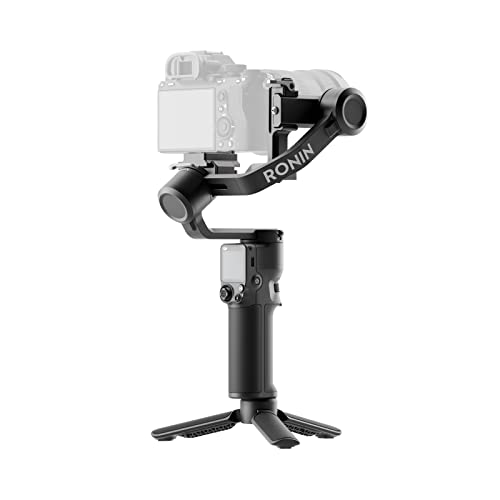
The DJI RS 3 Mini is the most travel-friendly gimbal in this roundup and a strong starting point for anyone moving from handheld shooting to stabilized video. It weighs only 795 grams in portrait mode and 850 grams with the horizontal arm, so it fits easily in a camera bag and stays comfortable during long shooting days. Despite its small size, it supports a tested payload of 2 kilograms, covering many popular mirrorless camera and lens combinations from Canon, Sony, Nikon, Fujifilm, and Panasonic.
Native vertical shooting is built in, so switching to portrait video takes seconds and needs no extra bracket. A 1.4-inch full-color touchscreen gives quick access to settings, and Bluetooth shutter control lets you start and stop recording without touching the camera. The RS 3 Mini suits vloggers, travel creators, and wedding videographers who want a light rig, but its main trade-off is payload: heavier full-frame bodies with large zoom lenses can exceed its limit, and it lacks the automated axis locks found on larger DJI models.
Specs
- Payload: 2 kg tested payload
- Weight: 795 g in portrait mode, 850 g with horizontal arm
- Battery life: Up to 10 hours
- Display: 1.4-inch full-color touchscreen
- Vertical shooting: Native vertical shooting built in
- Camera control: Bluetooth shutter control
- Compatibility: Mirrorless cameras from Canon, Sony, Nikon, Fujifilm, and Panasonic
2. Zhiyun Weebill 3S

The Zhiyun Weebill 3S is the most versatile mid-size gimbal in this guide, and its built-in fill light sets it apart from every other pick here. The light adjusts from warm to cool color temperatures, which helps when you film interviews in dim rooms without carrying a separate light. A sling grip lets the gimbal rest in a low, comfortable position during long takes, reducing arm fatigue on wedding days and event shoots.
Zhiyun rates the Weebill 3S for camera setups up to 3 kilograms, which covers full-frame mirrorless bodies paired with standard zoom lenses. It weighs about 1,055 grams with its battery, and the built-in batteries run for up to 11.5 hours, with PD fast charging bringing a full charge in about 2 hours. A small 0.96-inch screen shows settings at a glance, and native vertical shooting makes portrait video simple. The Weebill 3S is a strong pick for solo creators who film interviews, events, and travel video and want one gimbal that handles lighting, long battery life, and heavier lenses.
Specs
- Payload: Up to 3 kg
- Weight: About 1,055 g with battery, without tripod and quick-release plate
- Battery life: Up to 11.5 hours
- Charging: PD fast charging, about 2 hours for a full charge
- Fill light: Built-in bi-color light, 2600K to 5500K
- Display: 0.96-inch screen
- Vertical shooting: Native vertical shooting
- Compatibility: DSLR and mirrorless cameras from Canon, Nikon, Sony, Panasonic, and Fujifilm
3. DJI RS 4 Pro

The DJI RS 4 Pro is the flagship pick in this roundup, built for filmmakers who run heavier camera rigs. It supports a payload of 4.5 kilograms, which covers cinema cameras and full-frame bodies with large lenses, cages, and accessories. Second-generation native vertical shooting switches orientation without extra parts, and the gimbal pairs with DJI focus motors and video transmitters for more advanced setups.
Axis locks engage automatically when the gimbal powers down, which makes packing up faster and protects the motors during transport. The carbon-fiber build keeps the weight manageable for its class, and the carrying capacity leaves room to grow as your camera kit gets bigger. The RS 4 Pro is overkill for a small mirrorless camera with a kit lens, and its size makes it less appealing for travel vlogging.
Specs
- Payload: 4.5 kg
- Vertical shooting: Second-generation native vertical shooting
- Axis locks: Automated axis locks
- Construction: Carbon-fiber arms
- Compatibility: DSLR and cinema cameras from Canon, Sony, Panasonic, Nikon, and Fujifilm
- Accessories: Works with DJI focus motors and video transmitters
4. FeiyuTech SCORP Mini 2
The FeiyuTech SCORP Mini 2 is an all-in-one gimbal for creators who shoot with more than one type of camera. It stabilizes mirrorless cameras, compact cameras, action cameras, and smartphones, so a creator who films with a mirrorless body on one shoot and an action camera on the next can use a single stabilizer for both. Its payload of 2.65 pounds covers light mirrorless setups, compact cameras, and action cameras with ease.
A 1.3-inch OLED touchscreen makes settings easy to read outdoors, and the integrated AI tracking sensor follows a subject without a phone app or extra tracker. The underslung handle gives flexible holding options for low shots and long takes, and the included fill light helps in dim conditions. Quick switching between landscape and portrait orientation suits creators who publish the same shoot in both formats. The SCORP Mini 2 is best for vloggers and multi-camera creators who value flexibility over maximum payload. It will not carry a heavy full-frame rig with a large zoom lens, so owners of bigger cameras should look at the Weebill 3S or the RS 4 Pro instead.
Specs
- Payload: 2.65 lb
- Display: 1.3-inch OLED touchscreen
- Tracking: Integrated AI tracking
- Design: All-in-one gimbal with underslung handle
- Compatibility: Mirrorless, compact, and action cameras, plus smartphones
- Orientation: Quick switch between landscape and portrait
5. FeiyuTech SCORP-C

The FeiyuTech SCORP-C is the heavy lifter of this roundup, with a payload of 7.72 pounds that handles DSLR and mirrorless cameras with large lenses, including setups that overwhelm compact gimbals. Its underslung handle shifts the center of gravity lower, which makes long handheld sessions more comfortable and gives smooth control during low-angle shots. Gesture control and AI tracking add hands-free options for solo filmmakers who need the camera to follow them while they move.
Switching between landscape and portrait orientation is quick, which matters for creators who deliver both widescreen and vertical video from the same shoot. The SCORP-C suits wedding filmmakers and event videographers who run full-size cameras and need a stabilizer that stays steady under a real working load. It is larger and heavier than the compact picks here, so it belongs in a dedicated camera bag.
Specs
- Payload: 7.72 lb
- Design: Underslung handle for low-angle and long sessions
- Tracking: AI tracking with gesture control
- Orientation: Quick switch between landscape and portrait
- Compatibility: DSLR and mirrorless cameras from Sony, Canon, and Nikon
How to Choose a Camera Gimbal
Start with payload, because it decides everything else. Weigh your camera body, your heaviest lens, and any cage, microphone, or light you plan to mount, then choose a gimbal rated comfortably above that total. A gimbal running near its limit works harder and drains its battery faster, so leave headroom for the lenses you actually use.
Next, think about how you shoot. Travel and vlog creators should favor light, compact gimbals that fold down small, while event and wedding filmmakers should favor long battery life and comfortable grips. If you publish vertical video, native vertical shooting saves time and avoids extra brackets. A built-in fill light is worth having if you often film interviews in dim rooms.
Finally, check compatibility before you buy. Gimbal makers publish camera compatibility lists that show which bodies support cable or wireless shutter control, and some cameras need a specific cable. Confirm your camera appears on the list for the gimbal you choose.
Who Should Skip a Camera Gimbal
A camera gimbal is not right for every shooter. If you mostly take still photos, a tripod or monopod gives steadier results for less money and less weight. If you film only at a desk or in a fixed studio, a tripod with a fluid head is simpler and more repeatable.
Phone-only creators should also skip this guide, since every gimbal here is built around a camera and lens. A dedicated phone gimbal is lighter, cheaper, and easier to carry for smartphone video. Likewise, if your camera has strong in-body stabilization and you only shoot short clips for personal use, you may not need a gimbal at all.
Frequently Asked Questions
What is the best camera gimbal for beginners?
The DJI RS 3 Mini is the easiest starting point for most beginners because it is light, balances quickly, and handles common mirrorless cameras with ease. Its touchscreen and Bluetooth shutter control keep the learning curve short, and native vertical shooting covers short-form video without extra parts.
How much payload do I need in a camera gimbal?
Add the weight of your camera body, your heaviest lens, and every accessory you mount on the rig, then choose a gimbal rated above that total. A compact mirrorless setup often fits within a 2 kilogram rating, while full-frame bodies with standard zoom lenses usually need a 3 kilogram rating or more.
Can a camera gimbal also hold a smartphone or action camera?
Some camera gimbals, such as the FeiyuTech SCORP Mini 2, accept smartphones and action cameras alongside mirrorless cameras. Most full-size camera gimbals are built for cameras and lenses, though, and a dedicated phone gimbal is lighter and simpler if you never shoot with a mirrorless or DSLR camera.
Do I need a gimbal if my camera has in-body stabilization?
In-body stabilization helps with small shakes, but it cannot match a three-axis gimbal for walking shots, pans, and follow moves. A gimbal keeps the horizon level and smooths large movements that in-body stabilization alone cannot correct. If you shoot mostly static clips, in-body stabilization may be enough, but moving video benefits clearly from a gimbal.
Final Verdict
The best camera gimbal depends on the camera you carry and the video you make. The DJI RS 3 Mini is the best choice for most mirrorless shooters thanks to its light weight, simple setup, and solid payload. The Zhiyun Weebill 3S is the best all-rounder for event and interview work, with its built-in fill light, long battery life, and 3 kilogram payload. The FeiyuTech SCORP Mini 2 is the most flexible pick for creators who switch between camera types, while the DJI RS 4 Pro and the FeiyuTech SCORP-C serve filmmakers with heavier rigs.
FAQ
What is the best camera gimbal for beginners?
How much payload do I need in a camera gimbal?
Can a camera gimbal also hold a smartphone or action camera?
Do I need a gimbal if my camera has in-body stabilization?
More from Amazon
Programs that pair well with the guide above. Offers and eligibility are set by Amazon and may change.
A free business account with business pricing and bulk-buying tools for work, shop or home office.
Create a business accountFree shipping on eligible items, Prime Video and more. Eligible new members can start with a free trial.
Start a Prime free trialAudiobooks and podcasts to listen to on the go. Eligible new members can start with a free trial.
Try Audible freeAd-free music streaming. Eligible new subscribers can start with a free trial.
Try Music Unlimited freeAs an Amazon Associate we earn from qualifying purchases.




Write Your Review
No reviews yet. Be the first to share your experience!